
Uncontrolled water loss is rarely just a utility problem in an aquatic facility. It affects chemical balance, filtration performance, air quality in natatoriums, and often the integrity of the pool structure itself. Commercial pool leak detection is most effective when it is treated as an operational decision process rather than an emergency repair task.
For aquatic directors, municipal managers, and athletics staff, the goal is not only to find the leak, but to understand what the leak indicates about risk, remaining service life, and the next best step for long-term facility performance. Well-maintained pool plumbing standards are essential for managing these issues effectively.
Signs That Water Loss Is More Than Evaporation
In many facilities, a pool losing water shows up first as a pattern in daily make-up water, chemical demand, or dehumidification performance rather than a dramatic drop in level. The challenge is that evaporation can be substantial in natatoriums and is highly sensitive to air temperature, water temperature, bather load, and ventilation control. A disciplined baseline is often the difference between a maintenance issue and a structural event being missed.
Operational signs that typically warrant a formal evaluation include persistent make-up water beyond seasonal norms, unexplained shifts in alkalinity or calcium management, and recurring difficulty stabilizing disinfectant residuals despite consistent dosing practices. There are strict guidelines for monitoring water quality in such facilities. If the pool is routinely refilled, operators may also notice more frequent filter backwashing or faster accumulation of total dissolved solids, which can complicate water quality targets and bather comfort.
Building-related indicators matter as much as pool-side symptoms. Moisture where it does not belong, such as damp mechanical rooms, softened deck joints, or staining on walls adjacent to the vessel, can signal migration paths that extend beyond the immediate leak point. In freeze-prone climates, water movement into surrounding soils can also create heave conditions that present later as deck displacement or tile cracking, long after the initial water loss began.
Decision Point: When to Escalate From Monitoring to Leak Investigation
Commercial pool leak detection efforts often stall when teams rely on informal observations without a clear threshold for escalation. Many facilities benefit from defining a short list of triggers tied to operational impact and risk. Escalation is not only about the volume of water lost, but the consequences of continued loss on the structure and building systems.
A practical first step is tightening measurement discipline. Documented water level readings at consistent times, verified auto-fill operation, and tracking of make-up volumes can clarify whether loss correlates with operational factors. This is also the point to confirm that backwash, vacuum-to-waste, splash-out from programming, and deck washdown practices are not being unintentionally counted as “leakage.”
Escalation is typically warranted when water loss is stable and repeatable across comparable operating conditions, when loss accelerates, or when adjacent spaces show evidence of moisture migration. At that stage, a planned investigation often reduces total disruption. It allows the facility to coordinate lane availability, staffing, and water chemistry recovery rather than reacting to a sudden closure.
Many decision-makers also weigh escalation based on secondary risks: potential undermining of the pool shell, corrosion exposure in reinforced concrete, and damage to slab or subgrade conditions. Even moderate leaks can drive long-term costs if they create chronic saturation around the vessel, especially where soils are expansive or where deck and gutter systems rely on stable support.
Common Leak Causes in Commercial Pools and What They Imply
Not all leaks indicate the same level of structural concern. Some are localized component failures, while others are symptoms of vessel movement, aging materials, or detailing that no longer matches operational demands. Understanding likely causes helps teams prioritize investigation methods and set realistic expectations for repair scope.
Penetrations and fittings are frequent starting points. Return inlets, main drains, hydrostatic relief components, light niches, and ladder anchors all introduce transitions between materials and construction details. Over time, differential movement, seal degradation, and repeated thermal and chemical exposure can open small pathways. In many cases, a leak at a penetration is repairable, but it can also be an early indicator that the vessel is moving or that the surrounding wall section is under stress.
Perimeter details are another high-risk area. Gutter systems, tile lines, expansion joints, and deck-to-shell interfaces are designed to manage movement and water collection. When those details fail, water may bypass intended drainage and migrate into the bond beam, behind tile, or into adjacent slabs. Facilities often first notice this as recurring tile loss, persistent efflorescence, or joint sealant failures that return quickly after patching.
Structural cracks and membrane failures typically carry different implications depending on the pool type and age. Hairline cracking in concrete can be non-structural, but it still can become a water pathway if waterproofing continuity is compromised. Older pools with rigid interior finishes may develop leaks where the finish can no longer bridge minor movement.
In some stainless steel or modular systems, leak paths may be associated with seam conditions, connection points, or deterioration of isolation details. The key is not to assume that visible cracking equals the leak source, or that an invisible leak is therefore “in the plumbing.” Both assumptions can lead to costly misdirection.
How to Think About Investigation Methods Without Guesswork
A leak investigation in a commercial setting is most effective when it follows a hypothesis-based sequence: confirm that loss is real, isolate whether the loss is in the vessel versus distribution, then narrow down to zones and specific details. The purpose is to reduce intrusive work while increasing certainty, particularly when closures are difficult.
Isolation testing is often the first major decision point. Separating the pool vessel from external piping and attractions can help determine whether the leak is structural or in circulation lines. This step can be operationally complex in facilities with shared systems, surge tanks, water features, or multiple bodies of water tied to one plant. Planning the isolation approach should account for valve condition, the possibility of cross-connections, and any code or safety implications tied to disabling equipment.
Once isolation indicates a likely category, targeted tests become more useful. Dye testing around fittings, joints, and known stress points can confirm local pathways, but it is rarely sufficient on its own for complex leaks. Pressure testing of piping can identify line losses, though interpretation requires care in systems with check valves, flexible connections, and variable elevations.
For structural investigations, controlled level drop tests can help identify the elevation band where leakage changes, which often aligns with a specific fitting line, crack plane, or construction joint.
In many facilities, the most valuable output of an investigation is not only where the water is going, but a documented map of vulnerabilities. That map can guide repair sequencing and reduce repeat failures, especially where multiple small leaks exist rather than a single dramatic point of loss. Documentation should include conditions observed, test methods used, and any constraints that limited certainty, such as inability to fully isolate a system during peak season.
Structural Solutions: Choosing Repairs That Match Root Cause and Lifecycle
Repair decisions in commercial pools are rarely about stopping water for the next month. They are about choosing a solution that aligns with the facility’s service expectations, programming schedule, and remaining life of the vessel and surrounding building elements. A repair that technically stops a leak can still be a poor decision if it accelerates future failures or requires repeated shutdowns.
For penetration-related leaks, repairs often involve re-establishing a watertight transition with materials compatible with the substrate and water chemistry. The decision factor is whether the penetration is stable. If movement is ongoing, rigid patching compounds may crack again. If corrosion is present in the surrounding concrete, or if the fitting is poorly supported, the correct solution may require more extensive restoration than a surface seal.
For perimeter failures, the long-term solution often depends on how the deck, gutter, and bond beam manage movement and drainage. Joint and sealant repairs can be appropriate when the underlying geometry is sound and the joint design is still serviceable. Where recurring failures are tied to differential movement or persistent saturation, the repair scope may need to include rebuilding sections of the interface, correcting drainage paths, and restoring waterproofing continuity. These decisions often intersect with accessibility compliance, deck safety, and load considerations in high-traffic facilities.
For cracks or broader waterproofing failures, the key evaluation is whether the vessel is experiencing structural movement, shrinkage-related cracking, or finish system aging. Injection repairs, localized crack treatment, or surface-applied waterproofing measures can work in certain conditions, but they should be selected based on crack behavior, substrate condition, and compatibility with the interior finish and chemical environment. It is also important to evaluate whether stopping the leak will trap water in unintended locations, such as behind finishes or within wall assemblies, where freeze-thaw or corrosion risks may increase.
Across all solution types, decision-makers benefit from asking operational questions that are sometimes overlooked:
– Will the repair tolerate the facility’s normal water temperature, disinfectant strategy, and cleaning protocols?
– Does the solution assume the structure is stable, and do we have evidence to support that assumption?
– What inspections or monitoring should follow to confirm performance before returning to full programming?
– If this is one symptom of an aging system, what other failure points are likely within the same lifecycle window?
Planning for Leak Risk as Part of Facility Stewardship
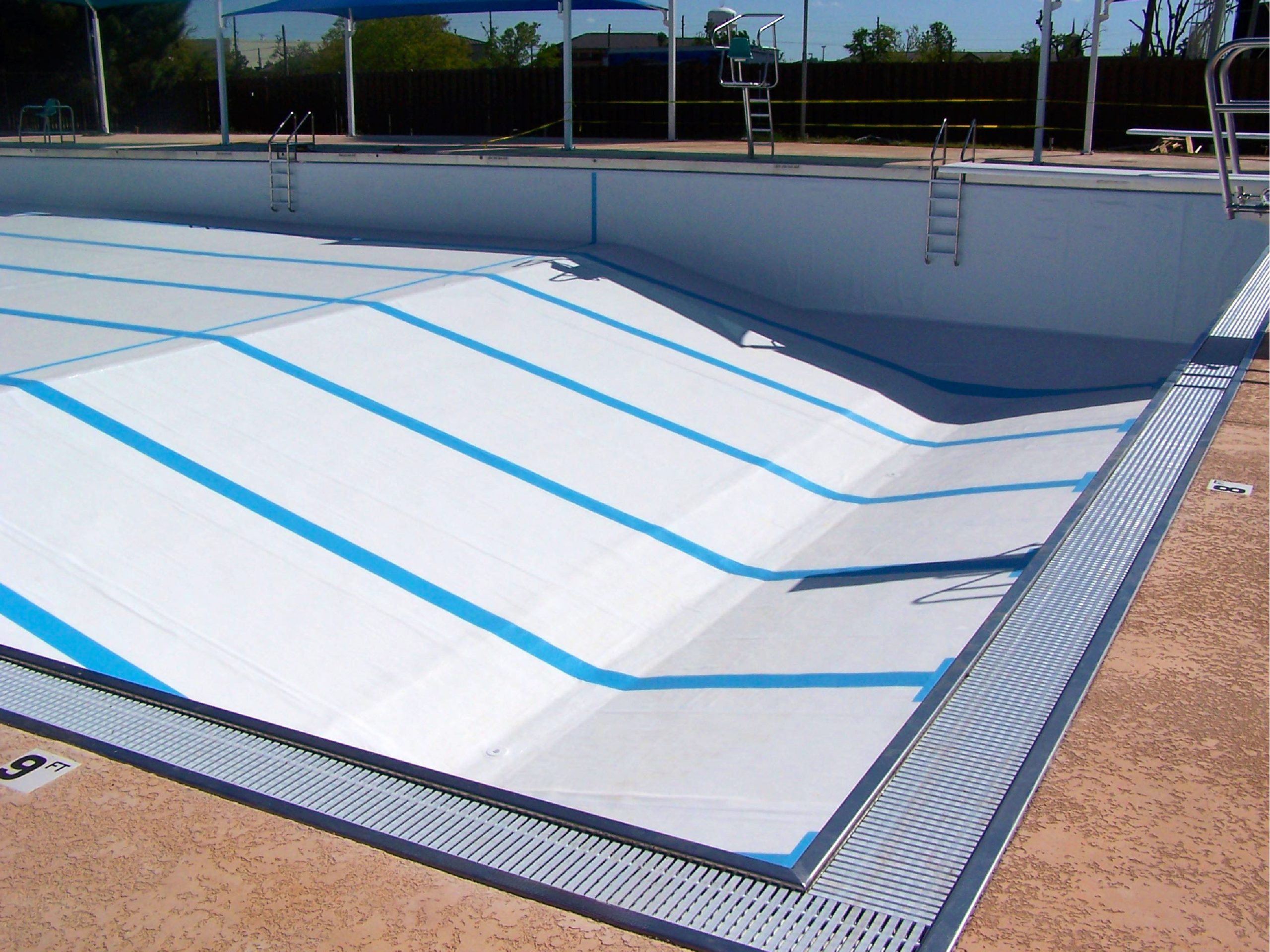
Commercial pool leak detection should ultimately feed into lifecycle planning, not just incident response. Water loss events provide useful signals about structural condition, detailing resilience, and how well the facility’s original construction matches current use. When those signals are documented and integrated into capital planning, facilities are better positioned to choose the right time and scope for rehabilitation.
A forward-looking approach typically includes establishing a reliable water loss baseline, defining escalation triggers, and keeping a running record of repairs tied to locations and conditions. Over time, patterns emerge. Repeated issues at the same interface, increasing frequency of tile and joint failures, or growing dependence on make-up water can indicate that the facility is moving from isolated repairs into a phase where system-level restoration becomes more predictable and less disruptive than repeated spot work.
The most durable decisions are usually the ones that connect operational realities with structural behavior. That means evaluating leaks alongside deck safety, air quality control, corrosion management, and scheduled shutdown windows. With that context, leak investigations and repairs become part of informed stewardship, balancing immediate continuity of programming with long-term performance and risk reduction.